


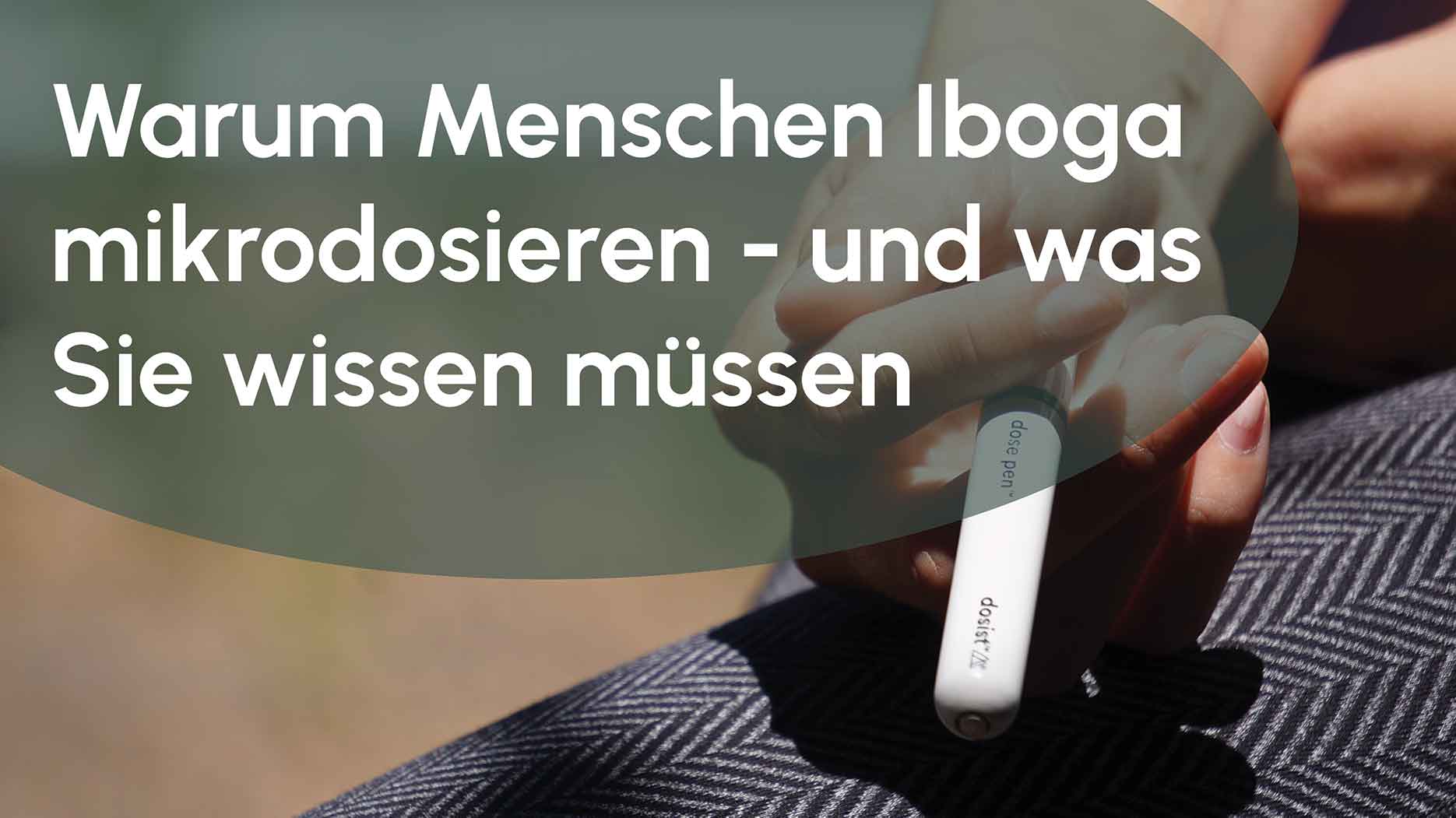
Why people microdose iboga—and what you need to know
Introduction
Iboga is an entheogenic plant, which means it can be used as a hallucinogen.
The active ingredient in ibogaine is ibogaine, which has been shown to be effective in treating addiction to drugs such as cocaine and methamphetamine.
Iboga microdosing involves consuming small amounts of iboga powder or capsules that contain little or no ibogaine (iboga microdosing).
The goal of this practice is not so much to get high, but rather to experience some of the effects of taking a drug such as cocaine or methamphetamine.
I have spoken to many people who claim to have benefited from microdosing iboga, including my own friends who have struggled with addiction.
Although there are no studies on this practice—and it is not legal—the anecdotal evidence is compelling enough that some people want to try it for themselves.
Iboga is an entheogenic plant.
Iboga is a plant that has been used in traditional African spirituality since at least the 18th century.
It has been used in traditional African spirituality since the 19th century. In Gabon and Congo, where it is part of the Bwiti religion, it has been used in ceremonial rites.
In this context, iboga is taken as part of a long healing process that involves several ceremonies over several days.
During these ceremonies, participants ingest small amounts of raw iboga root (or other parts of the plant) until they reach “full visions”—the point at which their consciousness is completely altered by the substance.
The desired effects include:
- A feeling of connectedness with nature and fellow human beings
- An increased sense of empathy for others (and oneself)
Microdosing iboga is most likely safe
- Boga is not poisonous.
- Boga is not a drug.
- Iboga is not addictive and cannot cause addiction or dependence. (Tell your friend not to worry about this.)
- Iboga does not cause withdrawal symptoms, even when taken regularly over several years. (You don’t have to take ibogaine every day!)
It is important that you know what you are doing when taking ibogaine in microdoses so that it is safe for you and your loved ones.
Microdosing iboga is not legal.
Iboga microdoses are not illegal. In fact, it’s not even a thing.
However, that doesn’t mean you shouldn’t do it—it just means you need to be careful about where you get your iboga and how much you take at one time.
Microdosing is becoming increasingly popular worldwide as people seek alternative therapies for their mental health issues or simply try to improve their performance at work or school.
However, since this practice is not yet legal everywhere (and may never be), it is important that anyone who wants to try ibogaine microdosing knows exactly what they are getting into before deciding whether or not to undergo one of these treatments.
There is not yet much research on iboga microdosing.
There is not yet much research on the microdosing of iboga.
The reason for this seems to be that it is difficult to obtain funding for studies on non-illegal drugs, and that there are no pharmaceutical companies interested in investing money in the development of new drugs.
The available studies are at an early stage and are not conclusive, meaning that they do not answer our questions about iboga microdosing.
They can also be anecdotal or even completely false. In other words:
The research results are not reviewed by other scientists, published in a scientific journal and thus considered reliable by experts or the public, or made available to the public (for everyone).
Ibogaine is a drug that is abused and addictive, but there is no evidence that microdosing iboga is either.
Ibogaine is a Schedule I drug, which means that it currently has no accepted medical use in the United States and has a high potential for abuse.
This makes ibogaine illegal under federal law. However, since it is used in other parts of the world to treat addiction and some research shows that it can reduce opioid cravings without causing withdrawal symptoms, many people would like to see ibogaine available in this country as an adjunct therapy for opioid addiction.
Ibogaine is currently not legal in the United States; it cannot be prescribed or purchased here unless it is imported from another country (and even then, only for “research purposes”).
Furthermore, there are currently no known studies on microdosing iboga in humans.
Microdosing is the latest trend among wellness enthusiasts. But does it actually work?
Although the concept of microdosing is not new, it has recently gained popularity thanks to numerous wellness influencers who praise its benefits as a natural method of boosting energy and productivity.
In fact, there are entire groups on Reddit and Facebook dedicated to this practice, and even an app called Microdose that encourages people to track their progress or share how they feel after taking iboga.
But although it seems like a great idea at first glance, microdosing iboga is not exactly safe or effective—and you probably shouldn’t do it.
The thing about iboga is that, while some people claim it is good for treating depression, anxiety, PTSD, and other mental disorders (and helps people become more productive), there is currently no scientific research to back up these claims.
And anyone who tells you otherwise should be treated with extreme caution. If they are not prepared to back up their claims with peer-reviewed studies, then there is probably something fishy about their claim—and maybe even about them!
So if you are seeking better mental health without risking your life, you should stick to traditional therapy and not high-risk alternative medicine such as microdosing ibogaine.

Conclusion
There is still much to learn about microdosing and its potential benefits, but it appears to be an interesting trend to keep an eye on.
If you are interested in trying microdosing with iboga, we recommend the work of Dr. James Fadiman, who is one of the leading experts in this field.
His book, The Psychedelic Explorer’s Guide, contains information on how to safely consume psychedelics in low doses while still reaping the full benefits of their experiences.


