


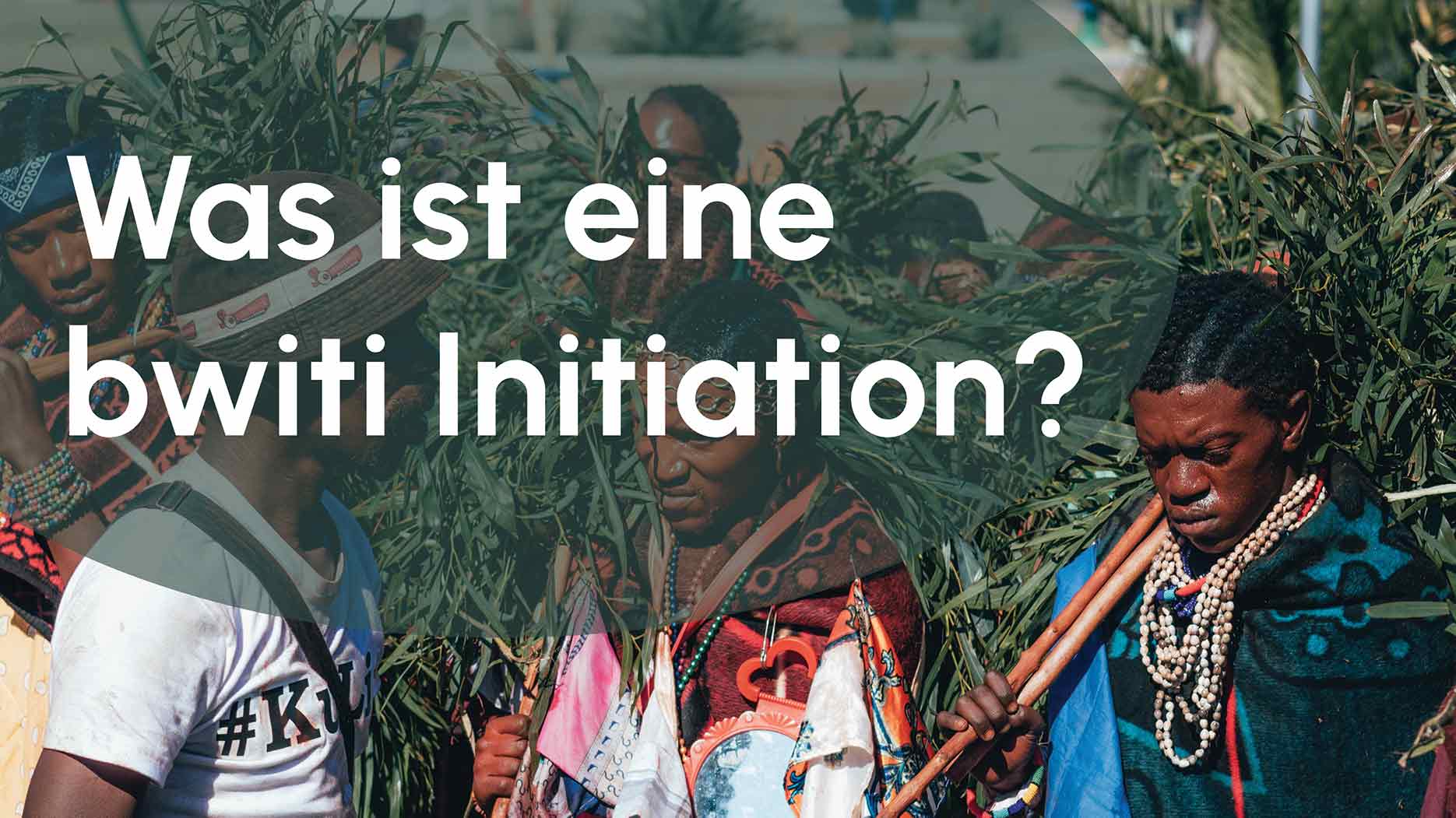
What is a bwiti initiation?
What is Bwiti?
Bwiti is a religion that originated in Gabon, Africa. Bwiti followers use iboga root bark to achieve altered states of consciousness so that they can communicate with the spirits of their ancestors and heal themselves mentally and physically from addictions, trauma, or other problems they may be facing.
The Bwiti religion was founded by Nzambi Mpungu (God) and uses ceremonies called "initiation" to help people overcome their fears and find spiritual enlightenment through visions induced by the use of iboga root bark.
Ibotanic acid is the main active ingredient in iboga. It is traditionally used to induce visions, but also to treat viral infections and cancer.
Ibogaine is a hallucinogenic substance extracted from the iboga plant, which grows only in equatorial Africa.
The roots of this tree produce a powerful hallucinogenic substance known as ibogaine.
This drug has been used for therapeutic purposes by African tribes for centuries.
However, it has only recently been researched by Western scientists and approved as a medication for addiction in many countries around the world (including Canada).
Iboga is the root bark of the African shrub Tabernanthe iboga.
Iboga is the root bark of the African shrub Tabernanthe iboga. The root bark contains tryptamine alkaloids, including ibogaine, which has a highly addictive effect.
The roots and bark contain tryptamine alkaloids, including ibogaine, which is highly addictive.
Ibogaine, a psychoactive alkaloid, is the main active ingredient in iboga. It is used to treat drug addiction and is illegal in the United States and the United Kingdom.
In Canada, ibogaine is not subject to federal law but is prohibited under the Controlled Drugs and Substances Act (CDSA).
The roots and bark contain tryptamine alkaloids, including ibogaine, which is highly addictive.
Tryptamines are monoamine alkaloids produced by many plants and fungi.
These compounds have been found to have psychedelic effects when taken orally or injected into the body; however, their use can be dangerous, as excessive abuse can lead to cardiovascular problems or death.
When consumed in small doses, ibogaine acts as a stimulant; in larger quantities, it triggers visions.
Ibogaine is a naturally occurring hallucinogen found in the root bark of the African shrub Tabernanthe iboga.
The drug has been used for thousands of years by West African tribes to induce visions and spiritual experiences while eliminating addiction, but it was not until 1962 that ibogaine was isolated and synthesized in its pure form.
When ibogaine is consumed in small doses, it acts as a stimulant; in larger quantities, it triggers visions and psychedelic effects.
When ibogaine is used medicinally or as a recreational drug (or both), it can cause psychedelic full-body hallucinations that last up to 24 hours.
– and possibly longer if large doses are taken over several sessions.
In small doses, the active ingredients have a stimulating effect that can increase energy levels and improve well-being.
There are also a number of reports of positive effects on mental health, including help with anxiety and depression. However, iboga use is not without risks.
A major risk of iboga consumption is that psychotic episodes may occur during or after consumption.
This may be the case if you have an undiagnosed mental illness or if you are taking other drugs at the same time as iboga.
Due to its hallucinogenic properties, iboga can also trigger severe paranoia in some people who use it as a recreational drug (e.g., people who do not know what they are doing).
Iboga initiation ceremonies are a way to heal social injustices and teach participants how to live better lives.
Iboga initiation ceremonies are a way to heal social ills and teach participants how to live better lives.
The Bwitis believe that iboga can help them gain insight into their problems, which may be internal or external.
They use the ceremony to heal social injustices and teach participants how to live better lives.
The main purpose of an iboga initiation ceremony is for participants to discover different aspects of themselves and their lives:
You will also receive messages from your ancestors and advice on how to improve your life experiences through self-observation and meditation methods such as yoga, breathing exercises (pranayama), mantra chanting, etc.
the country of origin of the Bwiti
A Bwiti initiation ceremony is a powerful, transformative experience that can help participants heal from addictions, trauma, or other issues they face.
The ceremony is also an opportunity for members of the tribe to connect with their ancestors and pass on traditions from one generation to the next.
It is therefore an important part of Gabonese culture.
When people participate in these ceremonies, they are exposed to intense physical and spiritual experiences that are intended to help them heal from problems such as alcoholism and depression.
They learn how to lead a better life through spirituality and self-awareness, as well as through social interaction with others who have similar problems.
People who participate in an initiation ceremony are exposed to intense physical and spiritual experiences designed to help them heal from addictions, traumas, or other problems they may be facing.
- Participants are put into a trance-like state.
- You are given a hallucinogenic drug.
- They are encouraged to share their deepest secrets.
- They are encouraged to face their fears.
- They are encouraged to open up about their past and any trauma they may have experienced in their lives as part of the healing process.
Takeaway: Bwitis (followers of Bwiti) use iboga root bark to achieve altered states of consciousness so that they can communicate with the spirits of their ancestors and heal themselves mentally and physically.
- Bwitis (followers of Bwiti) use iboga root bark to achieve altered states of consciousness so that they can communicate with ancestral spirits and heal themselves mentally and physically.
- The ceremony lasts several days and serves to heal social injustices, teach participants how to lead better lives, and even resolve conflicts between hostile tribes.

Conclusion
In summary, iboga is a plant that has been used as a powerful hallucinogen by indigenous peoples for thousands of years.
Today, it is enjoying increasing popularity in Western society because it can help people overcome addiction and other problems.
The Bwiti tribe uses the bark of the iboga root in its initiation ceremony, which is an important part of their culture.


