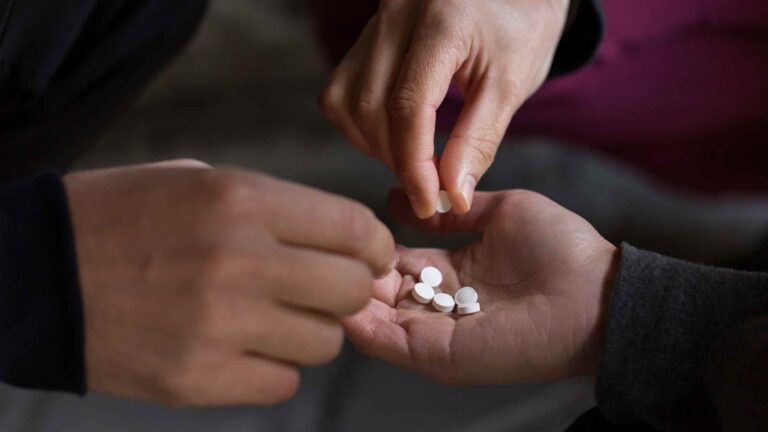
World Discrimination Day: Breaking down the stigma surrounding addiction

World Discrimination Day serves as a powerful reminder of the widespread prejudices that permeate various areas of society. Among those who are most marginalized are people struggling with addiction issues.
This day calls on us to reflect together on the discrimination faced by people with substance use disorders and the urgent need to break down the barriers of stigma they encounter.
On March 1, Zero Discrimination Day, launched by UNAIDS, calls for global action to eliminate discrimination and promote inclusion and tolerance. This day reaffirms the right of every individual to live with dignity, free from prejudice based on appearance, race, or belief.
Discrimination, which often stems from fear or lack of knowledge, is a human rights issue that can be addressed through awareness-raising and promoting dialogue.
Initiated by UNAIDS in December 2013 and inspired by the ethos of World AIDS Day, Zero Discrimination Day aims to end stigma and promote equality. Every individual can contribute to creating a more just society through their actions.
The United Nations supports this initiative through events that celebrate the freedom to live with dignity, regardless of origin or identity. Learn more about the commemorative day at National Today.
The stigma of addiction
Addiction is often fraught with misconceptions and stereotypes. Those suffering from addiction often encounter judgment instead of empathy, isolation instead of support. The stigma associated with addiction can lead to discrimination in healthcare, work, and social settings, which significantly hinders recovery efforts and reintegration into society.
Discrimination in healthcare
People with addiction disorders can face discrimination in the healthcare system. They often receive substandard care or are denied services altogether. This can exacerbate health problems and discourage those affected from seeking the help they need. World Discrimination Day draws attention to the need for healthcare professionals to treat all patients impartially and compassionately, regardless of whether they are struggling with addiction.
Challenges in the workplace
In the workplace, people in recovery may face prejudice that affects their hiring, promotion opportunities, and job security. Discrimination can also manifest itself in the form of lower expectations from colleagues and supervisors, further reinforcing the cycle of exclusion and self-doubt.
Social stigmatization
In society, prejudice against people with addiction can lead to exclusion and a lack of support within personal networks and communities. This isolation can be devastating, as a strong support system is essential for recovery and maintaining sobriety.
World Discrimination Day is an opportunity to combat the stigma surrounding addiction. Education is an effective tool in this fight. By understanding addiction as a disease, we can begin to see addicts as individuals who deserve the same compassion and care we would give to anyone else with health problems.
We must also advocate for policies that support rehabilitation and recovery. This includes pushing for health care reforms that ensure addicts receive adequate treatment, advocating for labor laws that protect the rights of people in recovery, and promoting community programs that offer support and understanding.
Moving forward: education and empathy
Education is key to combating discrimination. Dispelling myths and educating the public about the realities of addiction as a complex health issue can lead to greater understanding and acceptance. In addition, sharing stories of recovery and resilience can humanize the fight against addiction and build bridges of empathy.
Exploring the spectrum of addiction treatment: From traditional therapies to ibogaine intervention
Addiction treatment is a multifaceted field that encompasses a variety of approaches to treating the complex nature of substance use disorders. The effectiveness of treatment varies from person to person, with success often depending on the type of substance used, the duration of addiction, and the individual's mental and physical health. Below, we outline various methods of addiction treatment, including the unconventional ibogaine treatment, and explain their principles, benefits, and considerations.
1. Detoxification
Detoxification is usually the first step in addiction treatment, which aims to safely manage withdrawal symptoms when a person stops using drugs or alcohol. During detoxification, medical supervision is essential to treat any health complications.
2. Behavioral therapies
Behavioral therapies are at the heart of most addiction treatment programs. They help patients change their attitudes and behaviors related to drug use, improve healthy life skills, and continue other forms of treatment such as medication. Examples include:
- Cognitive behavioral therapy (CBT): Helps patients recognize, avoid, and cope with situations in which they are most likely to use substances.
- Motivational interviewing: Focuses on motivating the patient to change their behavior and seek treatment.
- Contingency management: Uses positive reinforcement to promote sobriety.
3. Medication-Assisted Treatment (MAT)
MAT is the use of medication in combination with counseling and behavioral therapies to treat substance use disorders. This approach is often used for opioid, alcohol, and nicotine addiction. Medications such as methadone, buprenorphine, and naltrexone help manage withdrawal symptoms and reduce cravings.
4. Self-help groups
Self-help groups such as Alcoholics Anonymous (AA) and Narcotics Anonymous (NA) offer ongoing support from peers for individuals who want to maintain their sobriety. These groups follow a structured program, such as the 12-step model, to help individuals achieve and maintain recovery from addiction.
5. Inpatient and inpatient treatment programs
These programs provide a structured treatment environment in which patients live at the facility for a period ranging from a few weeks to several months. They include intensive therapy sessions and activities that teach coping strategies and life skills.
6. Outpatient treatment programs
Outpatient programs allow patients to live at home during treatment. These programs can vary in intensity and are often suitable for people with less severe forms of addiction or for individuals who have completed an inpatient program.
7. Ibogaine treatment
Ibogaine is a psychoactive substance derived from the African iboga plant that has attracted attention for its potential to significantly reduce withdrawal symptoms and cravings in drug users. Although ibogaine is not legally available in many countries due to safety concerns and its classification as a Schedule I drug in the US, it is used in certain clinics outside the US, such as in Mexico, for
Addiction treatment. Its proponents value its ability to facilitate deep psychological introspection, which can aid the recovery process. However, treatment with ibogaine requires further clinical research to fully understand its efficacy and safety.
On World Discrimination Day, let us renew our commitment to equality and justice for all, including those struggling with addiction. By confronting and challenging the discrimination that overshadows addiction, we can create a more inclusive world that supports recovery and honors the strength of the human spirit.
Let us stand together against discrimination, not only on this day, but every day as we work toward a society where every individual is treated with dignity and respect, free from the shadows of stigma.